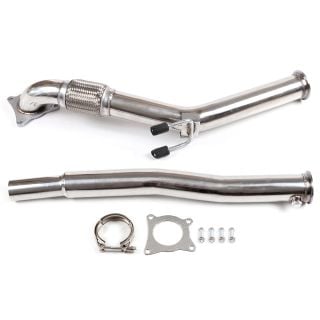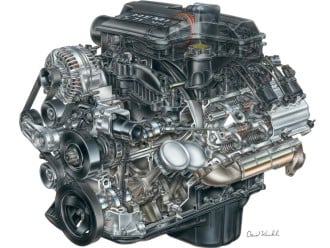
Exhaust pipes are an important part of a vehicle's exhaust system, responsible for safely moving exhaust gases from the engine into the atmosphere. Although exhaust pipes may seem simple, they play a vital role in optimizing engine performance, reducing noise levels and ensuring environmental compliance. In this article, we'll delve into the basics of exhaust pipes to gain a complete understanding of their importance.
First, the exhaust pipe acts as a conduit to carry the exhaust gases produced during combustion from the engine cylinders to the rear of the vehicle. These gases, including carbon dioxide, nitrogen oxides and unburned hydrocarbons, are harmful to human health and the environment. Therefore, it is crucial that the exhaust pipe efficiently directs these gases away from the vehicle.
Exhaust pipes are usually made of durable materials like stainless steel or aluminized steel, designed to withstand high temperatures and resist corrosion. They are generally shaped to fit the contours of the vehicle's chassis and protect against potential damage from bumps or road debris.
In general, a critical aspect of exhaust pipe design is the inclusion of bends and curves. These bends help achieve optimal back pressure within the exhaust system, which is the resistance that exhaust gases encounter as they exit the engine. Properly balanced back pressure is necessary for efficient engine performance as it helps ensure a smooth flow of exhaust gases without impeding engine power output.

Additionally, the exhaust pipe can be equipped with various components that help with noise reduction and emission control. A common addition is a muffler, a device that reduces the noise produced by an engine's exhaust. Mufflers contain baffles and chambers that reflect sound waves and create destructive interference, thereby minimizing the noise level emitted by the exhaust pipe.
Another important component often found in exhaust systems is the catalytic converter. The device helps reduce harmful emissions by converting toxic gases into less harmful substances through a series of chemical reactions. Catalytic converters are usually located inside the exhaust pipe, allowing exhaust gases to pass through and perform the necessary conversion.
It's worth mentioning that aftermarket exhaust systems have become popular with car enthusiasts. These custom exhausts often feature larger diameter pipes, high-flow mufflers and sometimes even headers. While they may confer performance benefits, such as increased horsepower or improved sound, drivers must ensure compliance with local emissions and noise ordinances.
In summary, exhaust pipes are an integral part of a vehicle's exhaust system and play a vital role in directing harmful gases away from the engine and reducing noise levels. Their design, materials and additional features such as mufflers and catalytic converters may affect the engine performance. By understanding the basics of exhaust pipes, drivers can understand their importance in achieving optimal vehicle function and creating a cleaner, quieter environment.